Discover Norway's magnificent fjords, carved by glaciers and surrounded by dramatic mountain landscapes.

Discover Norway's magnificent fjords, carved by glaciers and surrounded by dramatic mountain landscapes.

Welcome to Norway, the land of a thousand fjords. All along the coast, the sea makes indentations in the land creating dramatic landscapes and deep fjords that are several hundred metres deep and are surrounded by steep mountain sides and sky-high mountain peaks.
Few places in the world have such rugged coastlines with long branching fjords. In Norway, there are almost 1,200 fjords. It is hardly surprising therefore that it is the Norwegian word for fjord that has entered so many other languages, including English. The word originally means "where one fares through".

Few places in the world have such rugged coastlines with long branching fjords. In Norway, there are almost 1,200 fjords. It is hardly surprising therefore that it is the Norwegian word for fjord that has entered so many other languages, including English. The word originally means "where one fares through".
There are 900 fjords along the coast between Bergen and Kirkenes. One of these, Sognefjord, at 205 km long and 1,308 m deep, is the world's longest ice-free fjord.
The fjords were formed when the weight of thousands of metres of ice cut through the landscape on its way to the sea. The giant ice cap scraped, scrubbed and ground the bedrock beneath it, creating deep, new valleys. As sea levels rose, these valleys filled with water creating the fjords of today. The fjords can extend inland to form a network of new fjord branches. The word fjord is also used to describe open stretches of sea, large, wide bays that reach inland and narrow straits between islands.
Along the fjords, people have clung to steep slopes or mountain ledges as in the Geiranger Fjord. The mountainous landscape of Geiranger is on UNESCO's World Heritage List. On Havila Voyages, you can sail through this cultural landscape that tells us about people's ability to make a living almost no matter how steep it is around them.
It was warm on the sunny slopes, and it was even possible to grow heat-loving plants such as tomatoes and apricots here. There were salmon in the fjord, and further inland there was room for sheep and goats. Parents had to resign themselves to tying very young children with ropes when they were playing to ensure that they did not fall off the cliff.
From April to August, the trip to Geiranger departs from Ålesund on the northbound voyage. Learn more

Hjørundfjord is the royal branch of the Storfjord system. It extends into the jagged, dramatic Sunnmøre Alps, whose peaks rise as much as 1,600 m above the fjord and are covered in snow even during the summer season due to their height. The mountains are beautiful but dangerous. Big avalanches along the fjord are common during the winter and have claimed many lives.
Hjørundfjord was discovered by European cruise tourists in the late 19th century, and in the early 20th century it also became a holiday destination and playground for European royals and aristocrats. The German emperor, Wilhelm II, King Oscar of Sweden and Queen Wilhelmina of the Netherlands visited Hjørundfjord several times. From the fjord, a spectacular valley, Norangsdal, extends in through the wild mountains. It is said to have been visited by seven queens, including the current queen consort of Norway, Queen Sonja. One of the mountains, the majestic Slogen, is 1,564 m high.
From September to October, the trip to Hjørundfjord departs from Ålesund on the northbound voyage. Learn more

We visit Hjørundfjord in autumn and early winter.

Slogen, the pointed mountain top in the middle of the picture, is one of Queen Sonja's favourites.

And the view from the top of the Queen's favourite mountain is majestic.

People cling to the few places along the Hjørundfjord that are not at risk of landslides. Elsewhere, the mountainsides plunge into the fjord.

Hjørundfjord is equally beautiful regardless of whether the weather is cloudy or sunny.

A vast blue sky reveals Hjørundfjord's glistening peaks.

Up there is a great place for experienced skiers.
Trollfjord is another spectacular fjord you visit with Havila Voyages. At its narrowest, the fjord is only a hundred metres wide and the mountain walls shoot over a thousand metres up from the sea so close to the side of the ship that it almost feels like you can touch them. The northern wall is smooth-polished monzonite, the oldest rock type in Norway. Inside, the fjord widens so that the ship can turn around and sail out again.
You can think about the great battle that took place in the fjord in 1890. The fjord was full of fish. The large steamboats closed off the fjord and locked in the wealth, while the fishermen in the smaller boats were locked out. It ended with a battle that has entered into both Norwegian literature and art. And then the battle cry rang out between the steep mountainsides without fear of waking the trolls who gave the fjord its name.
The Trollfjord flows into the Raftesundet Strait on the voyage between Svolvær and Stokmarknes. Visits to the Trollfjord may be cancelled in bad weather if there is a risk of avalanches or similar.

Trollfjord on a glorious summer's day is an experience that you will not easily forget.

Trollfjord's northern wall is composed of smooth-polished monzonite, the oldest rock type in Norway.

Sail with Havila Voyages into the dramatic Trollfjorden.

People appear tiny inside Trollfjord, where the mountains shoot up over 1,000 m from the sea.

At its narrowest point, the fjord is only 100 m wide, and it almost feels like you can touch the bare mountainsides.
Storfjorden carries Havila Voyages toward Geiranger, but the fjord is a destination in its own right: one of Norway's ten longest fjords, reaching 110 kilometres out to Sulafjord and plunging to 672 metres at its deepest point.
Along its shores lie dozens of abandoned fjord and mountain farms. Since 1975, the society Storfjordens venner has worked to rebuild, restore and maintain these buildings and the cultural landscape around them — more than 130 have been brought back to life.
Sailing Storfjorden is a journey through that living history, a glimpse of how people once made a life on some of Norway's steepest shores.

Well-kept cultural landscapes and flower meadows along the mighty Storfjord.

Tafjord, one of the fjord branches of Storfjord. In 1934, a large section of mountain fell into the narrow fjord, and 40 people died in the flood wave that followed the rockslide.

The branches of the fjord crisscross inland creating 'traffic junctions' such as here at the entrance to Geirangerfjord.

Storfjord on a bright summer night.

Founded in 1975, Storfjordens venner, a society for the preservation of abandoned farms in Storfjord, has been active in the rebuilding, restoration and maintenance of buildings and cultural landscapes. More than 130 buildings have been restored along the fjord.

Sail in the world heritage fjords with Havila Voyages.

Clouds and low cloud cover create a mysterious light above the majestic fjords.
A UNESCO World Heritage site since 2005, Nærøyfjord is one of the wildest and most beautiful arms of Sognefjord — 17 kilometres long, narrowing to just 250 metres, with mountains rising over 1,700 metres above the water.
Above, glaciers and snow last through every season; below, a gentler microclimate keeps summers warm. Roadless farms still cling to the slopes — many abandoned, though you may spot goats grazing on the steep fields if you're lucky.
You can sail the fjord on a Havila Voyages excursion from Bergen. The same dramatic scenery inspired Disney's Frozen and the TV series Vikings.

Mighty landscapes in the Sognefjord fjord system, the world's longest ice-free fjord.

Lush, green mountainsides along the narrow fjord branches of Sognefjord.

At its narrowest point, Nærøyfjord is just 250 m wide.

The excursion "Norway in a nutshell" runs all year round, and the trip to Nærøyfjord can be just as beautiful in the autumn as in the summer.

The voyage on the fjord is by modern battery-operated ferries with zero emissions. This is how we are taking care of this world heritage site so that those who come after us can also experience it.
Where other fjords cut narrow and wild, Trondheimsfjorden opens up — Norway's third longest at 126 kilometres, nearly 13 kilometres across at its widest, with almost 30 branches reaching into the surrounding land.
Havila Voyages sails deep into the fjord and on to Trondheim, through waters that have carried traffic since the Viking Age, when powerful clans ruled Trøndelag. By the Middle Ages, Trondheim had become one of Norway's great pilgrimage destinations, drawing travellers who arrived, like you, by sea.
The farmland around the fjord is fed by some of Norway's best salmon rivers, and more than 90 fish species have been recorded in its waters.

Trondheimsfjord is a very good spot for fishing. As many as 90 different species of fish have been seen in the fjord.

And some of the best salmon rivers in Norway flow into this fjord.

While the Trondheimsfjord landscape is gentle, hotly contested power struggles took place here between different clans down through the ages.

Trondheimsfjord is surrounded by agricultural areas where crops such as grain are grown.

While the more southerly fjords on the coast are narrow with steep mountains, Trondheimsfjord is wide with gentle ridges along the fjord.
Of Norway's 1,200 fjords, Vestfjorden is the open one — a sea-like stretch 80 kilometres wide at its outer end, crossed by Havila Voyages between Bodø and Stamsund.
On one side, smaller fjords wind between steep mountains; on the other rises the Lofoten Wall, a 160-kilometre ridge of peaks folded up from the earth's crust millions of years ago.
This is also the water of the famous Lofoten fishery. Cod have come here to spawn since Viking times, and the region's dried fish and klipfish gave rise to the world's bacalao traditions — still one of Northern Norway's most important sources of food and income.

The contrasts between bad weather and sunshine give rise to strong colours and light.

The light over Lofoten and the Vestfjord can switch between stunningly dark Arctic night and midnight sun. And the interchange between darkness and light is magical.

Vestfjord with the 160 km long Lofoten Wall away in the distance.

The Lofoten Wall may look almost like a mirage in the distance, but it is solid rock that was formed when the earth's crust curled up.

Vestfjord is where the traditional Lofoten fishing takes place.

Nowadays, tourists come to Vestfjord to experience its natural wonders and the fishing.

Experience Lofoten and the Northern Lights with Havila Voyages.
Norway's fjords are among the world's most spectacular natural wonders. Carved by ancient glaciers over thousands of years, these deep waterways wind through dramatic landscapes of towering cliffs, cascading waterfalls, and charming villages nestled along the shoreline. They are at the heart of Norway's identity and have inspired travellers for generations.
Experiencing the fjords is one of the best ways to discover the beauty of the Norwegian coast. Whether you're sailing through tranquil waters or exploring the surrounding landscapes, our carefully selected experiences and excursions bring you closer to the breathtaking scenery and rich heritage that make the fjords truly unforgettable.

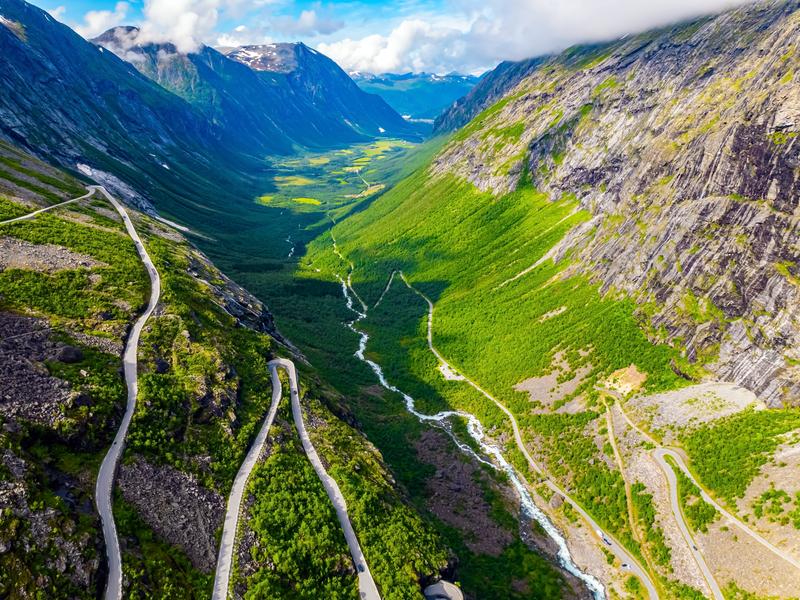 GEIN1
GEIN1


Discover the beautiful, powerful, majestic and world-famous UNESCO fjord.


Sail into Geirangerfjord, and discover the breathtaking beauty of Norway’s most iconic natural wonder.


The fjord that has fascinated Europe's royals and nobles, adventurers and celebrities.


 SVJS7
SVJS7
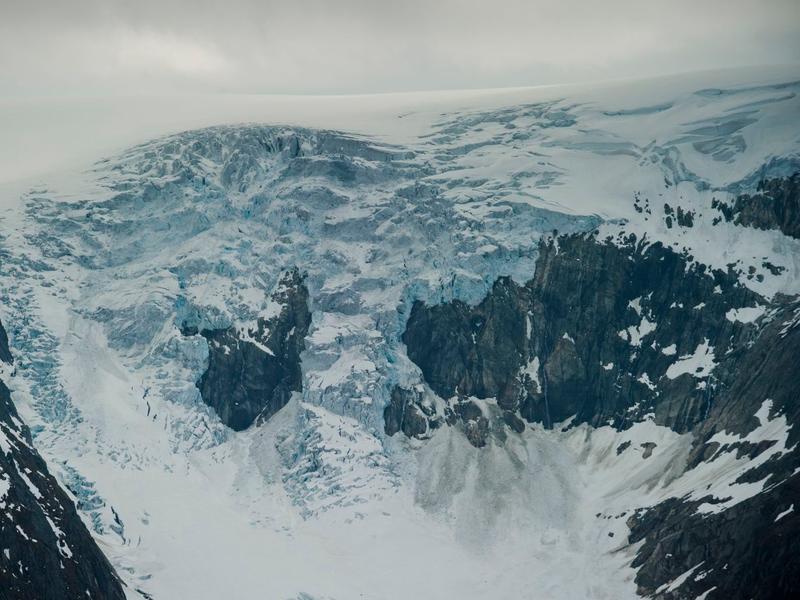
Snow that survives the summer slowly compacts into ice, forming glaciers that move like thick, slow rivers through the landscape.


Norway's coastline is shaped by thousands of islands, abundant wildlife, and centuries of coastal life.


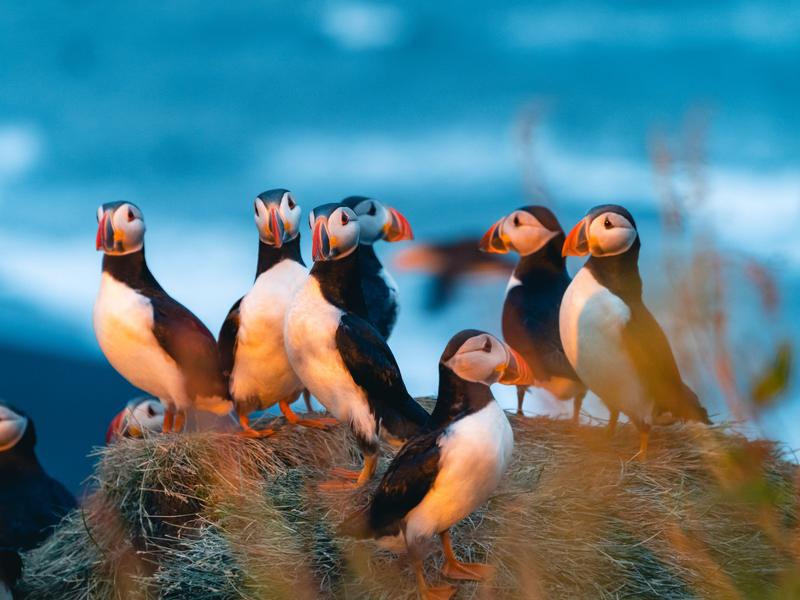
Norway's diverse climate and landscapes are home to unique wildlife and natural beauty.

From winter’s Northern Lights to spring waterfalls, summer’s Midnight Sun, and golden autumn landscapes.