Norway's mountains are an adventure and a mystery.

Norway's mountains are an adventure and a mystery.

It is easy to measure how old the stone is, but when did the earth's crust buckle up and become the Norwegian mountains? Scholars scratch their heads, and lively discussions ensue. Did it happen 20 million years ago - or 400!? Geologists differ, but in both theories consider the erosional effect of the Ice Age to be an important factor.


While geologists ponder over the mystery, others can embark on an adventure.
Inland are large mountain ranges with low vegetation and rolling landscapes. The Hardangervidda is located at an altitude of well over 1,000 metres and is Europe's largest mountain plateau. A little further north is Jotunheimen, where the mountains rise even higher, and the vast majority of Norway's 203 mountain peaks above 2,000 metres are found here. Norway's highest mountain, Galdhøpiggen, which rises 2,469 metres above sea level is also here. It is a popular destination, including for families with children. A guided day trip over the glacier is tough but possible for people with normal fitness levels.
On the world's most beautiful coastal voyage, you also get to see much of Norway's mountainous landscape. Right out by the coast, there are bare rocks and low, rounded knolls covered with heather and grass. These are easy walks that are suitable for most people and offer fantastic views over land and sea, far beyond what the modest altitude would indicate.
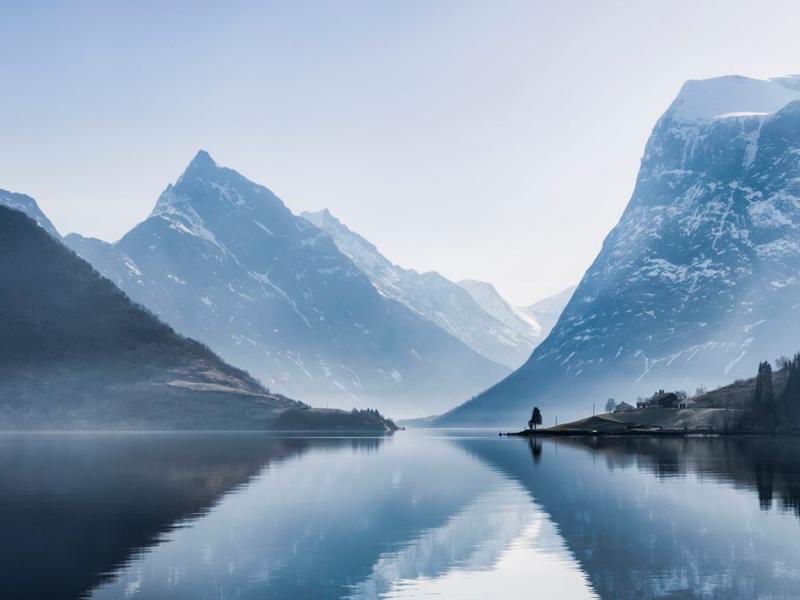
Further inland, the western and northern fjords are alpine, sharp peeks with steep mountain sides that can plunge over 1,000 metres straight down into the fjord. Snow can cover the upper sides of the mountains, while the slopes down by the fjord are a summery green. A popular destination for skiers who want to start the day by enjoying some winter fun at the top of the mountains and end the afternoon's skiing with a summery swim in the fjord.
Norway's mountains are among the country's most breathtaking natural wonders. Shaped over millions of years by powerful geological forces and ancient glaciers, they range from gentle coastal peaks and vast mountain plateaus to dramatic alpine summits rising high above deep fjords. Wherever you travel, the mountains are an unmistakable part of Norway's landscape and identity.
For centuries, these landscapes have inspired explorers, locals, and visitors alike. Today, they offer unforgettable opportunities to experience Norway's wild beauty up close. Join our featured mountain excursion and discover spectacular viewpoints, fresh mountain air, and the unique scenery that makes Norway one of the world's greatest destinations for nature lovers.

 BNNS1
BNNS1

Norway's coastline is shaped by thousands of islands, abundant wildlife, and centuries of coastal life.


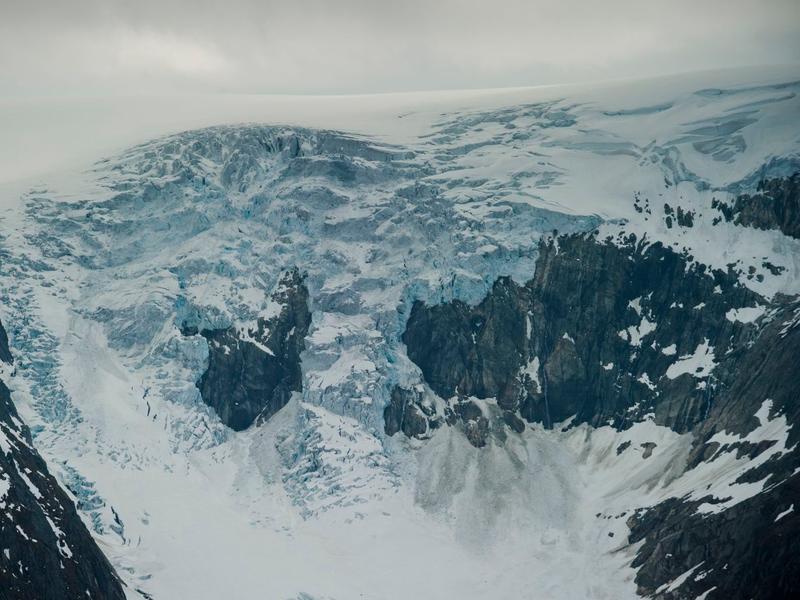
Snow that survives the summer slowly compacts into ice, forming glaciers that move like thick, slow rivers through the landscape.
Norway's coastline is shaped by thousands of islands, abundant wildlife, and centuries of coastal life.


Norway's diverse climate and landscapes are home to unique wildlife and natural beauty.


From winter’s Northern Lights to spring waterfalls, summer’s Midnight Sun, and golden autumn landscapes.