What to wear on board our ships and how to dress for Norway’s changing seasons while traveling with Havila.

What to wear on board our ships and how to dress for Norway’s changing seasons while traveling with Havila.
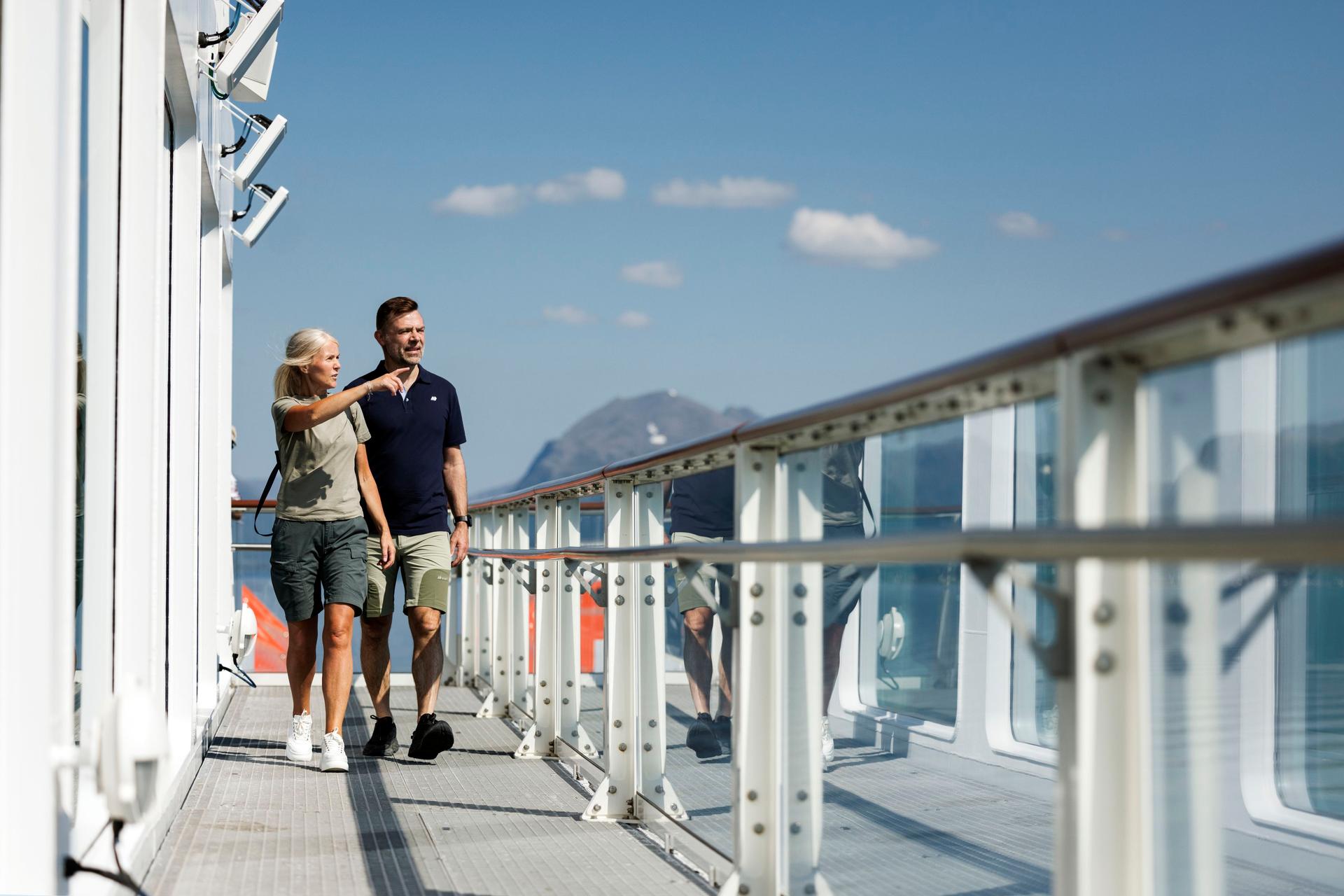

The temperature inside the ship is regulated and comfortable during all seasons. How you dress is up to you. There is an informal atmosphere, and there is no need to dress up for dinner.
However, some like to do so, especially when eating in the Hildring Fine Dining restaurant. We suggest that you bring some comfortable indoor shoes to wear around the ship.

When you go outside, you need to dress according to the weather, which tends to change rapidly in Norway. Therefore, you need to bring warm clothes, even for the summer – as a summer night can get quite chilly.
Also, you never know when the rain comes! The key to dressing for Norwegian weather is layering. The weather can change swiftly, so dressing in layers allows you to adapt easily. This approach is crucial throughout the year. Always carry a waterproof and windproof jacket, as Norway's weather can be unpredictable. Hats, gloves, and scarves are essential, especially during the cooler months. Waterproof shoes or boots are recommended, particularly for outdoor activities.
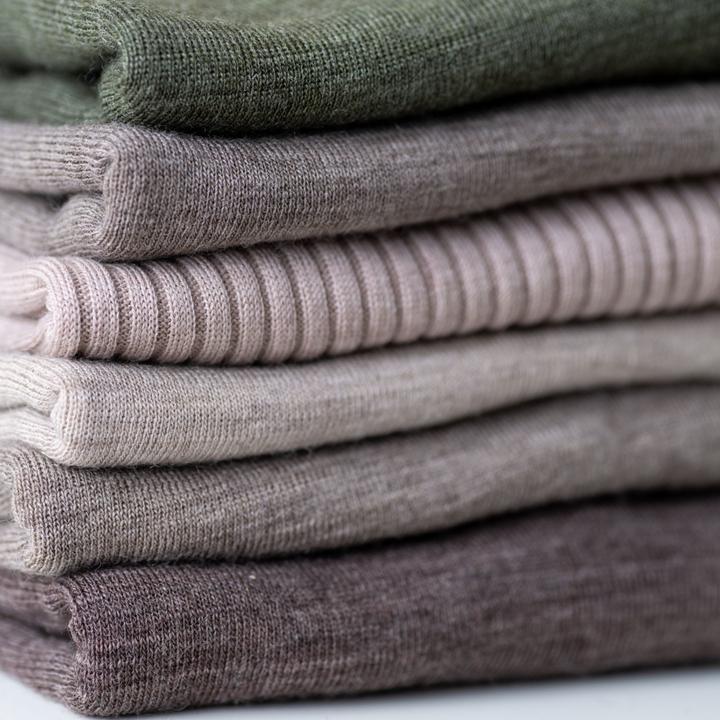
Norway’s changeable weather makes layering essential. Pack a moisture-wicking base layer, a warm fleece or wool mid layer, and a waterproof, windproof jacket.
Bring a hat, scarf, gloves and several pairs of warm, quick-drying socks. Comfortable indoor clothes and swimwear are also worth packing for relaxed evenings, saunas and hot tubs.

Waterproof walking shoes or boots are among the most important things to pack for Norway. Choose footwear with good grip that you have already worn in, particularly if you plan to hike or explore uneven terrain.
A pair of comfortable indoor or casual shoes is useful for hotels, restaurants and evenings. Extra insoles can make long days more comfortable, while blister plasters are a small but valuable addition to your daypack.

Dressing appropriately for cross-country skiing and other winter activities in Norway, where the climate can be quite cold and variable, is crucial for both comfort and safety.
Start with moisture-wicking thermal underwear for both legs and upper body. We recommend materials like synthetic fibers or merino wool, which keep sweat away from your skin. Add a fleece or wool layer for insulation. This layer should be easy to remove as your body heats up during activity. Choose a waterproof, windproof, yet breathable jacket and pants. This layer protects you from snow and wind. Go for warm, moisture-wicking socks. Avoid cotton as it holds moisture, leading to cold feet. Thin wool or synthetic ski socks are ideal. If your feet tend to get very cold, consider an additional pair of wool socks on top. Use insulated, waterproof gloves or mittens. Mittens are often warmer, but gloves offer more dexterity. A significant amount of body heat is lost through the head, so wear a hat or beanie that covers your ears. For colder days, you may also need a neck gaiter or balaclava.
Sunglasses or goggles are important for protecting your eyes from glare and wind, especially on sunny days or in snowy conditions. Even in cold weather, you can get sunburned. Use sunscreen and lip balm with SPF when the sun's out.

Dressing for a Norwegian spring involves preparing for a mix of weather conditions, as the season can bring anything from late snow to mild, sunny days.
Start with a moisture-wicking base layer, especially if you plan on being active outdoors. Add a middle layer, like a fleece or light sweater, for warmth. Spring in Norway can be quite wet and windy. A waterproof and windproof jacket is essential. It should be breathable so that you don't overheat during milder days. Even in spring, mornings and evenings can be chilly. Bring a warm hat, gloves, and a scarf. These can be easily removed and stored in a bag if it gets warmer during the day.
The weather can change rapidly, and you might encounter wet or muddy conditions. Waterproof hiking boots or sturdy walking shoes are advisable. Depending on how early in the spring you're visiting, you might consider wearing insulated trousers for outdoor activities. Otherwise, regular jeans or durable trousers should suffice.
Remember that winter lasts longer in the northern parts of Norway. The sun can be strong, especially in late spring, so don't forget sunglasses and sunscreen. Carrying a compact umbrella is advisable due to common spring showers, though be aware it may not be practical on the ship's outer deck due to strong winds when the ship is moving. Alternatively, wearing a raincoat can be very helpful.
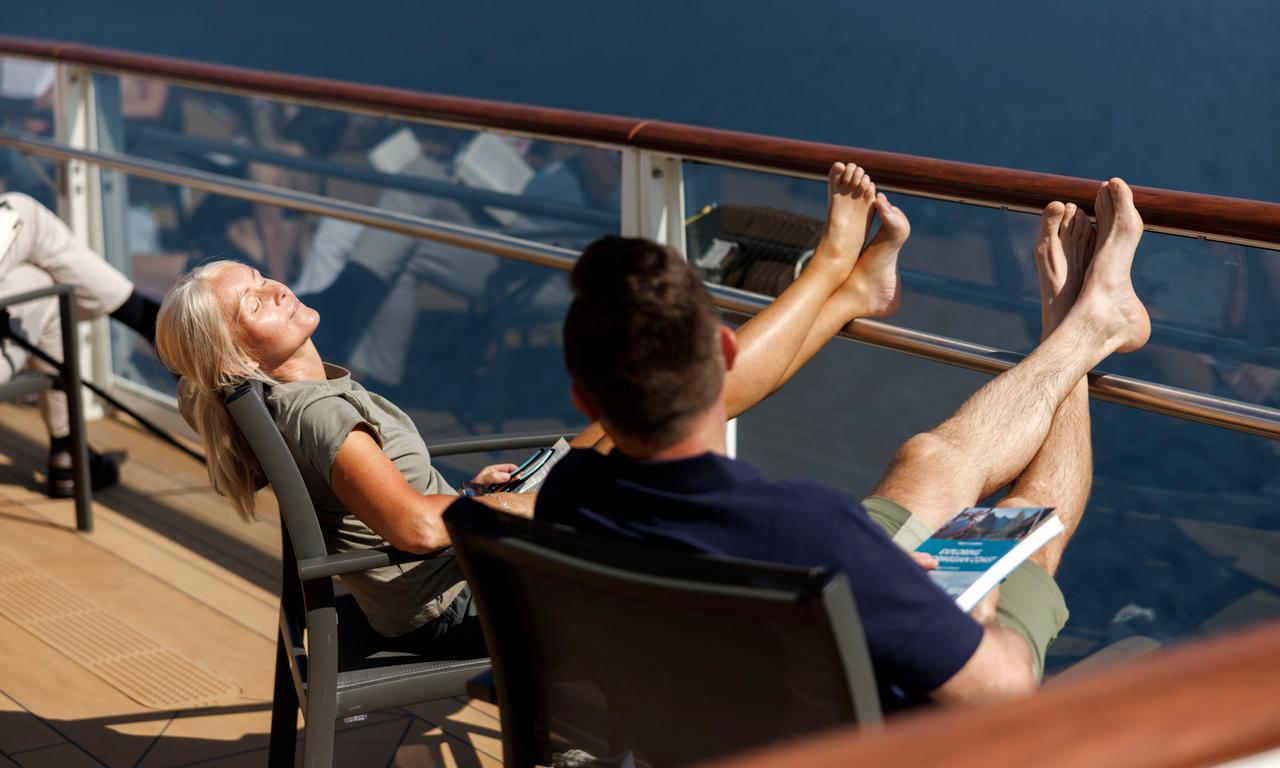
Dressing for a Norwegian summer can be a bit tricky due to the country's unique climate, ranging from quite warm to quite cool. It's wise to dress in layers that can be easily added or removed as needed. Start with a light base layer, add a middle layer like a shirt or blouse, and top it off with a lightweight jacket or sweater.
Even during summer, Norway can be wet and windy. A waterproof and windproof jacket is a must. This doesn't have to be heavy – a light, breathable jacket can be perfect. If you plan to explore Norway's beautiful landscapes, sturdy and comfortable footwear is essential. Waterproof hiking shoes are a good option, even if you're just walking around cities, due to unpredictable weather.
Don't forget accessories like sunglasses, a light hat or cap for sunny days, and perhaps a scarf for cooler evenings. The sun can be surprisingly strong, so bring sunscreen and apply it regularly, especially if you're near water or at higher altitudes. Norwegians generally dress casually. Choose practical, comfortable clothing that allows you to move freely and enjoy various outdoor activities.

Dressing for the autumn season in Norway involves preparing for cooler temperatures, wind, rain, and maybe even snow.
Start with a moisture-wicking base layer for both legs and upper body. We recommend materials like synthetic fibers or merino wool, which keep sweat away from your skin. Add a fleece or wool layer for insulation. This layer should be easy to remove as your body heats up during activity. A waterproof and windproof jacket is crucial for the rainy and windy days common in the fall. Ensure it's breathable to maintain comfort. Go for warm, moisture-wicking socks. Avoid cotton as it holds moisture, leading to cold feet. Thin wool or synthetic socks are ideal.
Accessories such as a knitted hat, gloves, and scarf are essential to protect against the cold, especially in the mornings and evenings. With the likelihood of rain and chilly weather, waterproof boots or shoes are advisable. If you're planning outdoor activities, hiking boots are a good choice. For outdoor activities, consider wearing thermal or insulated trousers. For city wear, regular jeans or trousers are usually adequate, but you might want to layer with thermal undergarments on colder days.
Be prepared for rain showers by carrying a compact umbrella (note that it may not be useful on the outer deck of the ship due to strong winds) or wearing a raincoat. On sunny days, you may still need sunglasses and sunscreen, especially if you're spending a lot of time outdoors.

Bring a lightweight daypack for carrying extra layers, water and personal items during excursions.
A reusable water bottle is a practical choice, as Norwegian tap water is generally excellent. Sunglasses are useful throughout the year because reflections from water and snow can make the light surprisingly bright. A compact umbrella can be helpful in towns and cities. Earplugs and a sleep mask may also be useful.

Pack your usual toiletries, including a toothbrush, toothpaste, hairbrush, deodorant, skincare products and shaving supplies. Sunscreen is important in every season, especially when you will be spending time near the water, at altitude or around snow.
Bring enough of any personal medication to last for your entire trip, preferably in its original packaging. Consider packing motion-sickness tablets. Conditions at sea can vary, even when the weather appears calm.

Before leaving, make sure you have your phone and charger, along with a power bank for longer travel days. Norway uses European-style power sockets, so travellers from countries with different plugs will need a suitable travel adapter.
Keep your identification, travel documents and payment cards somewhere secure and easy to reach. Card payments are widely used in Norway, but it is sensible to travel with more than one payment method.