In the far north of Europe, there is a country with no national borders called Sápmi, which has its own language and culture and is inhabited by the Sami.

In the far north of Europe, there is a country with no national borders called Sápmi, which has its own language and culture and is inhabited by the Sami.

The Sámi are an indigenous group that live at the Cap of the North. They were traditionally hunter-gatherers with a nomadic way of life, moving according to the season and what nature could provide at different times of the year.

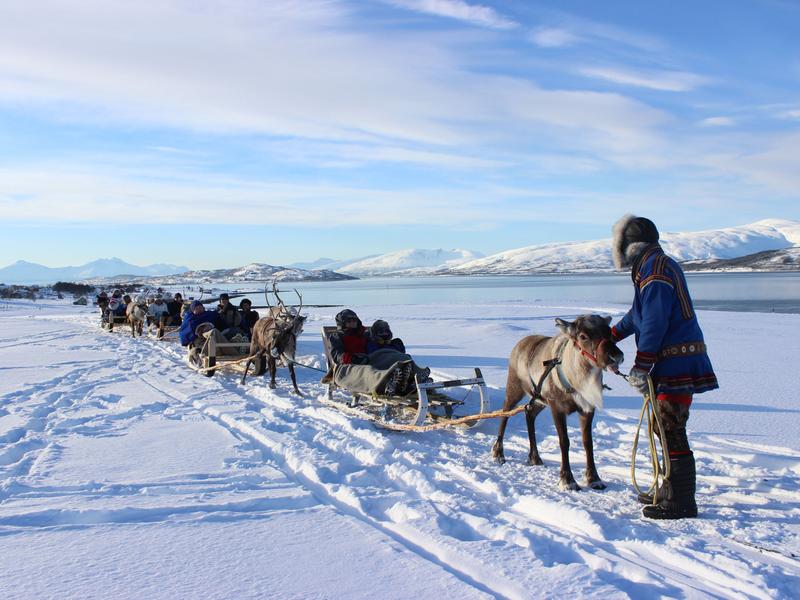
The Sámi have strong fishing and hunting traditions and are probably best known for reindeer herding and their skills with a lasso. There are currently over 200,000 domesticated reindeer in Norway, and for an indigenous group like the Sámi, sustainability and care of natural resources has always been part of their way of life.
They fashion bones into tools and crafts and leather into shoes, clothing and cushions. When cooking reindeer, the entire animal including the offal is eaten and bidos, the Sámi reindeer stew, is served on special occasions. Bidos is always on the menu at Sámi weddings and, if celebrated in the traditional way, a wedding, with over a thousand guests, can go on for several days.
Herbs and berries are harvested and used in their traditional medicine. Juniper berries for colds, bark from the willow tree for open wounds/sores and bark from birch leaves for urinary tract disorders are just a few examples.
In the pre-Christian Sámi faith, nature had a soul. Spirits ruled over all important places in nature, and some places were regarded as particularly sacred and used as sacrificial sites. The gods were often associated with hunting, fishing and wind, and shamanism had a special place in their old belief systems. The Sámi shaman (Noaiden) was both a religious and social leader, and a drum (runebomme) was one of his/her most important tools.


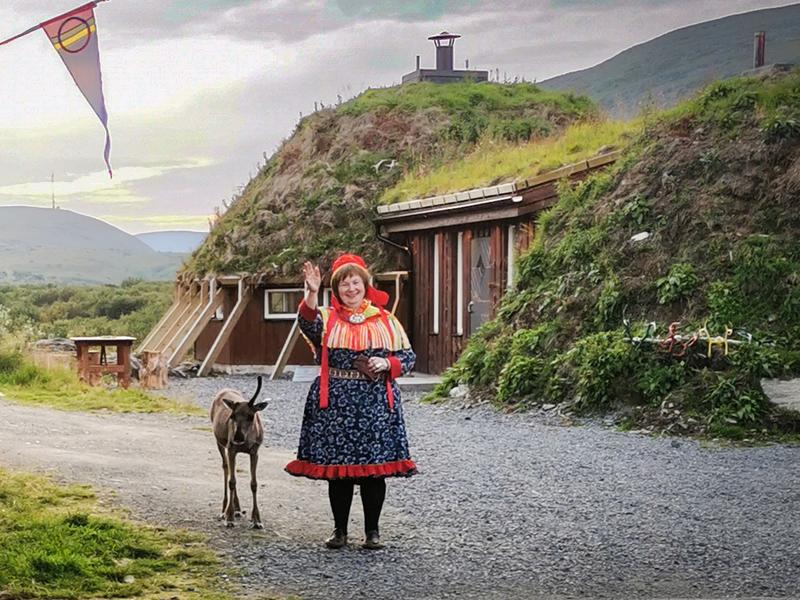
When families and entire small communities lived as nomads and moved around according to the seasons, they needed accommodation in different locations that could be moved easily. The Sámi have used turf huts called gammer and a type of tent called a lavvu. There was a campfire in the middle, and both the turf huts and the lavvus had openings at the top for smoke to exit.
There are no formal national borders to the Sápmi lands, and they extend across large parts of Northern Norway, into Sweden, the northernmost parts of Finland and the Kola Peninsula in Russia.
Sápmi has its own flag, and its national day is on 6 February. It is a joint celebration for the Sámi in Norway, Sweden, Finland and Russia. In Norway, the Sámi have their own elected parliament, Sametinget, which aims to ensure political representation and participation of the Sámi population.
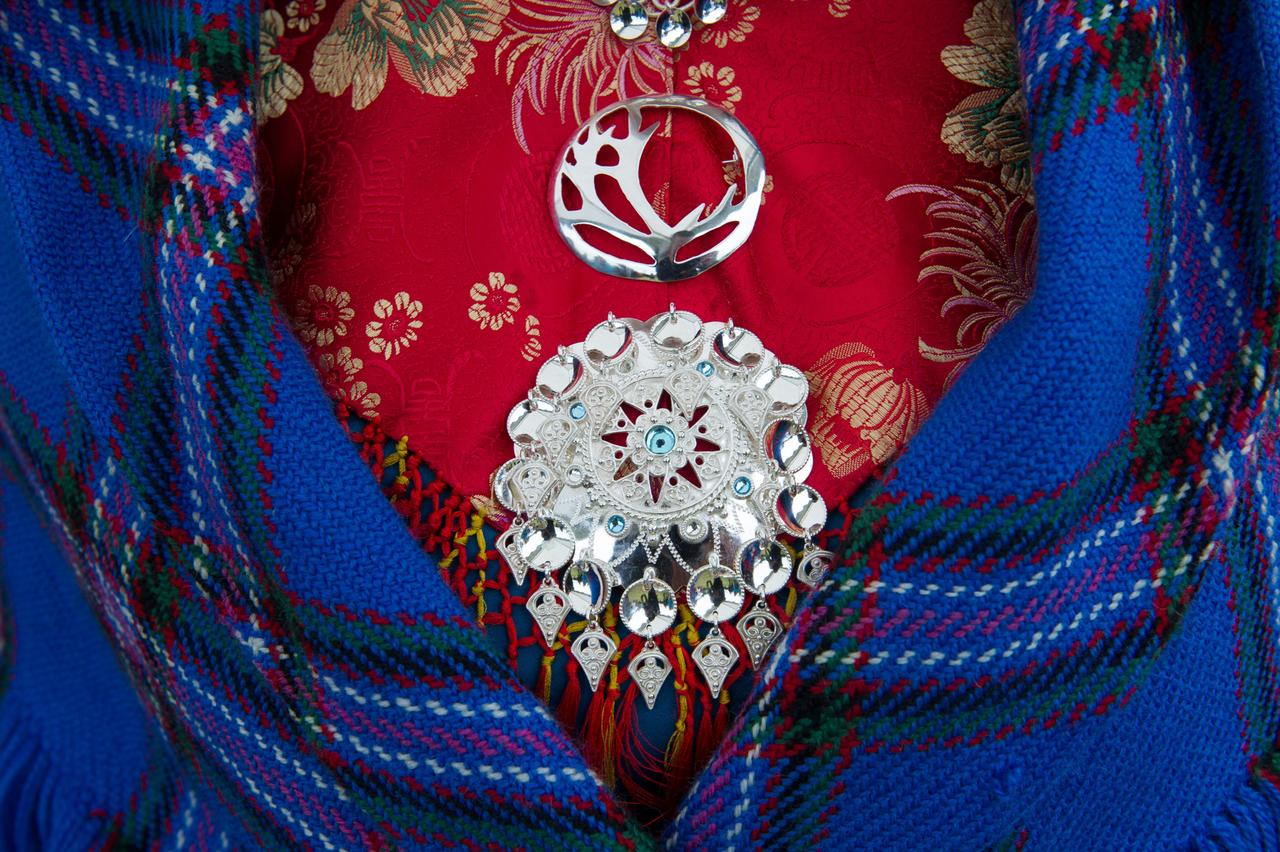
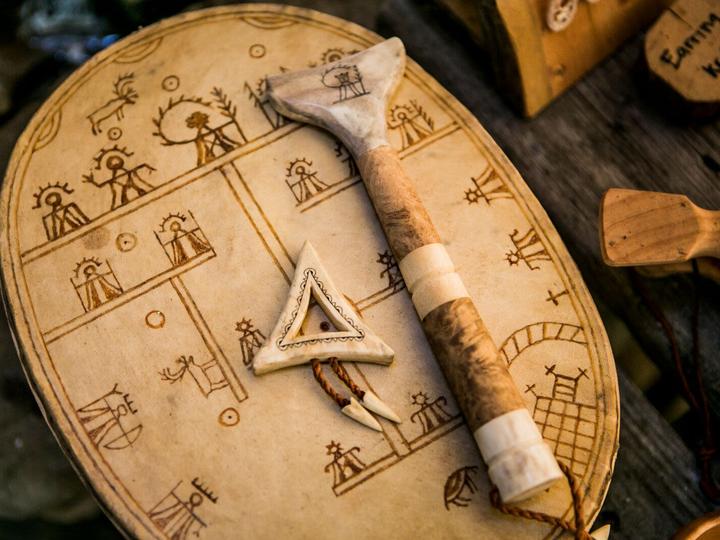
Sámi handicrafts: clothes and tools with everything from beaded embroidery to wood and bone carvings. The traditional Sámi outfit, the kofte, with its bright colours and silver brooches are also part of the Sámi traditions of handicraft and artisanship.

Joik is the traditional form of song of the Sámi. There are joik about animals, nature and people. Getting your own joik is a big compliment. Joik is one of the oldest musical traditions in Europe and is being revived by younger artists who combine joik with modern music styles such as rock and rap.

The language spoken in Sápmi is Sámi, but there are eleven languages and dialects within Sámi, some as different as Norwegian and Icelandic.
The name Sápmi comes from the largest language, North Sámi, and is the name of the area where the Sámi have traditionally lived.
The Sami are an essential part of Norway’s history, culture, and coastal heritage. For generations, they have lived in close connection with nature, the seasons, the sea, and the land, shaping traditions that remain strong in Northern Norway today.
Along the coastal route, guests can gain a deeper understanding of Sami life through selected excursions that introduce their stories, crafts, food traditions, reindeer herding, and relationship with the Arctic landscape. These experiences offer a meaningful insight into one of Europe’s oldest Indigenous cultures and its continued importance along the Norwegian coast.

 KJDN1
KJDN1
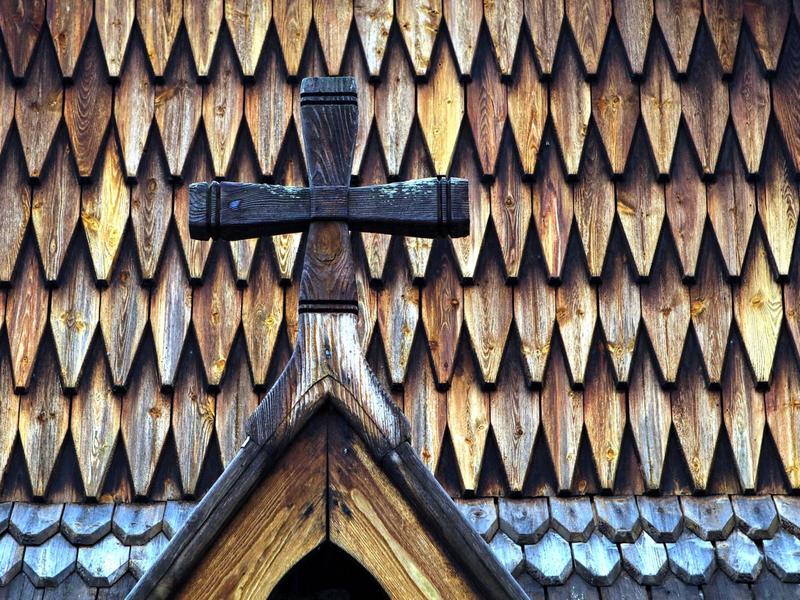
Norway's churches are among the country's most remarkable cultural and architectural treasures.

 TOSN2
TOSN2
 TOSN19

There are many Norwegian specialities that you can bring home, such as knitwear, tasty food or silver.


The Vikings were fearless sailors and explorers who left a lasting mark on Norway and the world.


For centuries, Norway's lighthouses have guided sailors along the coast.